3100 South Congress Ave, Ste F, Austin, TX 78704

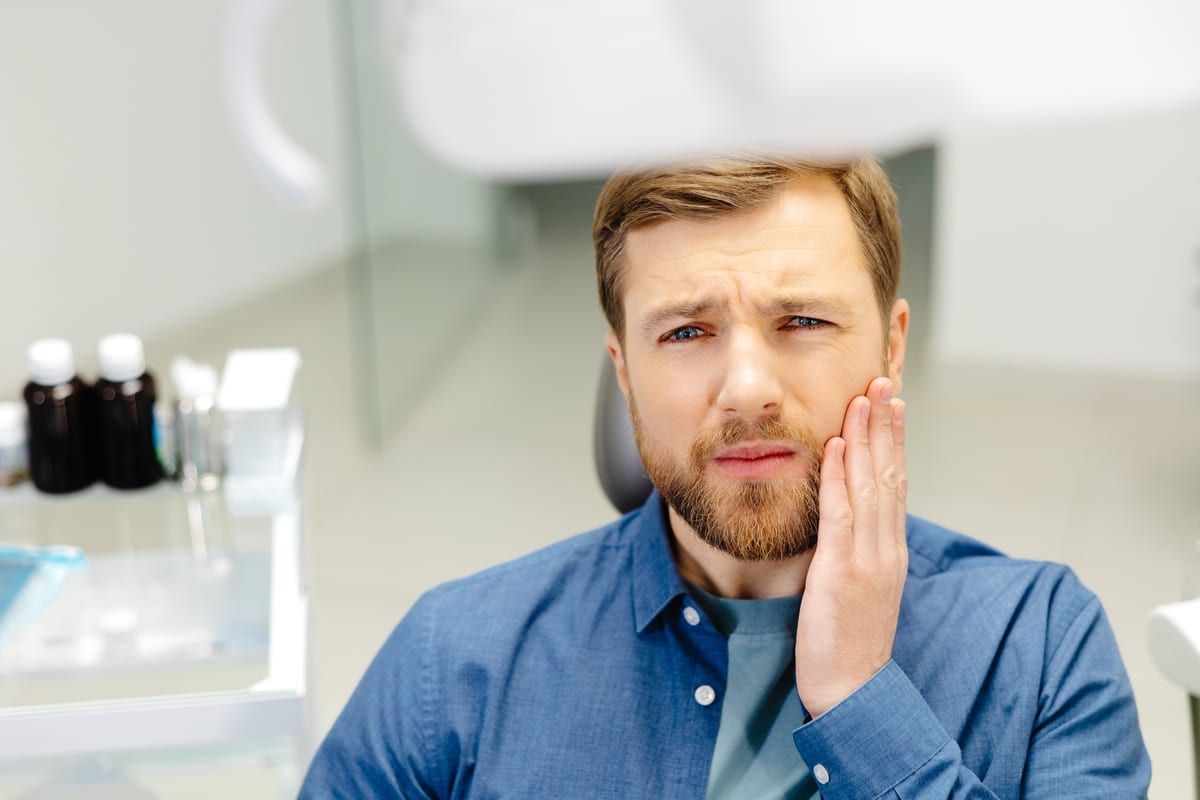
A knocked-out tooth is one of the most stressful dental emergencies you can face. The good news is that quick action can save your tooth. Knowing how to save your knocked-out tooth in the first 30 minutes in Austin makes all the difference. Dr. Nichole Kostiuk and the team at TRU Dentistry SoCo are here to walk you through every critical step.
Why the First 30 Minutes Are Critical After a Tooth Is Knocked Out
When a tooth is knocked out, the ligament fibers attached to the root begin to die quickly. These fibers are essential for reattaching the tooth to your jawbone. After 30 minutes outside the mouth, survival rates for the tooth drop significantly. After an hour, reattachment becomes very unlikely.
Time is your most valuable resource in this situation. Every second you spend searching online or panicking reduces your chances. Acting immediately gives your emergency dentist the best chance to save the tooth. Stay calm, follow these steps, and get to a dentist fast.
Step-by-Step: What to Do in the First 30 Minutes in Austin
Follow these steps in order the moment a tooth is knocked out. Do not skip steps or substitute with improvised methods. Each action protects the tooth’s root and keeps the ligament cells alive.
- Pick up the tooth by the crown. Never touch the root — oils from your fingers damage the delicate tissue.
- Rinse gently with clean water. Use plain water only. Do not scrub, soap, or wrap it in a cloth.
- Try to reinsert it. If possible, place the tooth back in the empty socket. Bite down gently on gauze to hold it.
- Store it properly if reinsertion fails. Place the tooth in a cup of cold milk. Milk preserves root cells better than water.
- Call TRU Dentistry SoCo immediately. Let the team know you have a knocked-out tooth so they can prepare for your arrival.
- Get to the office within 30 minutes. This is your target window for the best possible outcome.
Avoid storing the tooth in tap water for long periods. Tap water’s mineral content can damage root cells within minutes. Milk or saliva are the two best storage options available to most people. If you have no milk, tuck the tooth between your cheek and gum while you travel.
What Happens When You Arrive at TRU Dentistry SoCo
Dr. Kostiuk will evaluate the tooth and the socket immediately. She will check how long the tooth was outside the mouth. She will also assess the condition of the root and surrounding tissue. This information guides the treatment plan she recommends for you.
If the tooth is viable, she will attempt to reinsert and splint it. A small splint is bonded to neighboring teeth to hold the replanted tooth steady. The tooth needs time to reattach to the jawbone and tissue. You will return for follow-up visits to monitor healing progress.
If the tooth cannot be saved, Dr. Kostiuk will discuss your tooth replacement options. Dental Implants are one of the most effective and long-lasting solutions available today. They look, feel, and function like natural teeth. Her team will explain every option so you can make an informed decision.
Common Mistakes That Cost You Your Tooth
Many patients unintentionally damage their knocked-out tooth before reaching the dentist. Avoid these common errors that reduce survival chances significantly.
- Scrubbing the root. This removes the ligament cells the dentist needs to reattach the tooth.
- Storing in tap water. Water is not a safe medium for more than a few minutes.
- Wrapping in a dry cloth or tissue. Dryness kills root cells within minutes.
- Waiting to call the dentist. Every minute without professional guidance reduces success odds.
- Assuming the tooth is lost. Many knocked-out teeth can be saved with fast, correct action.
Children often knock out baby teeth during play or sports. Baby teeth should not be reinserted because doing so can damage the permanent tooth below. Call TRU Dentistry SoCo either way — the team will advise you over the phone on exactly what to do.
Preventing Future Dental Emergencies in Austin
Wearing a custom mouthguard dramatically reduces your risk of a knocked-out tooth. This is especially true for athletes in contact sports. TRU Dentistry SoCo can create a custom-fitted mouthguard that offers far better protection than store-bought options.
Regular checkups also play an important role in prevention. Healthy teeth and strong supporting bone are more resilient during trauma. Scheduling your Dental Cleanings Exams twice a year keeps your mouth in the best possible condition. Preventive care is always less stressful — and less costly — than emergency care.
Talk to Dr. Kostiuk about protective options during your next visit. She can assess your risk level based on your lifestyle and dental health. A personalized prevention plan gives you peace of mind every day. Austin patients trust TRU Dentistry SoCo for both emergency response and long-term care.
Conclusion: Act Fast and Call TRU Dentistry SoCo
A knocked-out tooth is a true dental emergency — but it is often treatable. The key is acting within that critical first 30-minute window. Stay calm, follow the steps above, and head straight to our Austin office. Dr. Kostiuk and the TRU Dentistry SoCo team are ready to help you every step of the way. Book Now to schedule your appointment with our team.
Frequently Asked Questions
Can a knocked-out tooth really be saved?
Yes, in many cases a knocked-out tooth can be successfully reattached. Success depends heavily on how quickly you act and how properly you store the tooth. Reaching a dentist within 30 minutes gives you the best chance of saving the tooth.
What is the best way to store a knocked-out tooth?
The best option is to reinsert the tooth into the socket if possible. If that is not possible, store it in cold milk. You can also hold it between your cheek and gum. Avoid dry storage or plain tap water for more than a minute or two.
Should I reinsert my child’s knocked-out baby tooth?
No — do not reinsert a knocked-out baby tooth. Doing so can damage the developing permanent tooth underneath. Call TRU Dentistry SoCo right away so the team can guide you through the next steps safely.
How long does it take for a replanted tooth to heal?
Healing time varies depending on how long the tooth was outside the mouth. The dentist will splint the tooth to neighboring teeth for several weeks. Follow-up visits monitor how well the tooth reattaches to the bone and surrounding tissue.
What if my knocked-out tooth cannot be saved?
If the tooth cannot be replanted, Dr. Kostiuk will discuss tooth replacement options with you. Dental implants are a popular and durable long-term solution. She will help you choose the best option for your oral health and lifestyle.