3100 South Congress Ave, Ste F, Austin, TX 78704

Most Austin patients know when something feels off in their mouth. A cracked tooth, persistent sensitivity, or a missing molar — these issues rarely fix themselves. Understanding why delaying restorative dentistry costs you more than money in Austin is the first step toward protecting your health. The longer you wait, the more complex — and costly — the path forward becomes.
Dr. Nichole Kostiuk, DMD at TRU Dentistry SoCo sees this pattern regularly. What starts as a small cavity becomes a root canal. A missing tooth leads to bone loss. A cracked crown eventually fractures the entire tooth. Small problems grow into big ones when left untreated.
What Restorative Dentistry Actually Does for Your Health
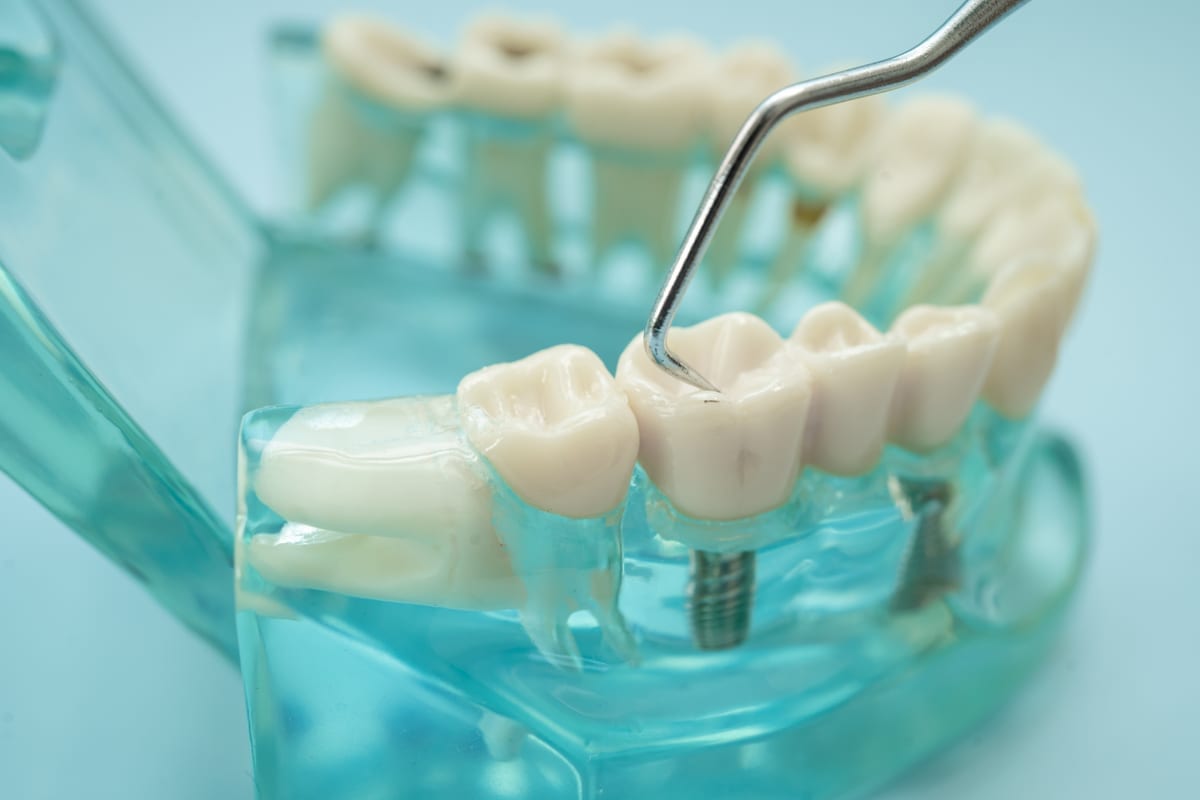
Restorative dentistry isn’t just about appearances. It restores function, prevents infection, and protects the surrounding teeth and bone structure. Treatments like crowns, fillings, bridges, and implants each serve a specific structural purpose.
Your teeth work as a system. When one tooth fails, neighboring teeth compensate. Over time, that compensation leads to uneven wear, shifting alignment, and jaw strain. Ignoring a damaged tooth disrupts the entire balance of your bite.
For Austin patients, this matters especially as lifestyle factors — including diet and stress — can accelerate dental wear. Catching issues early keeps restorative treatment straightforward and affordable.
- Crowns protect weakened teeth from fracture
- Fillings stop decay from spreading deeper
- Bridges restore chewing function and prevent shifting
- Dental Implants replace missing roots and preserve jawbone density
- Gum disease treatment stops infection before it reaches bone
Why Delaying Restorative Dentistry Costs You More in Austin
When patients delay care, simple treatments become complicated ones. A small cavity treated early requires a basic filling. Left untreated for months, it may require a root canal and a crown — significantly more time and expense.
Bone loss is another serious consequence. When a tooth is lost and not replaced, the jawbone beneath it begins to shrink. This process, called resorption, happens quickly. Within the first year of tooth loss, noticeable bone volume can disappear. Replacing teeth early preserves that bone and keeps future treatment options open.
Infection is perhaps the most urgent concern. A tooth abscess can spread to surrounding tissue and, in rare cases, beyond the mouth. Treating infection early is always safer and simpler than managing it after it escalates.
- Early cavities: simple fillings
- Advanced decay: root canals and crowns
- Untreated tooth loss: bone grafts may be needed before implants
- Gum disease ignored: potential tooth loss and systemic health effects
- Cracked teeth left alone: possible full extraction
The Hidden Costs Beyond Your Wallet
Financial cost is one consequence of delay — but it isn’t the only one. Chronic dental pain affects sleep, concentration, and mood. Austin residents lead active, demanding lives. Dental discomfort quietly undermines quality of life in ways that are easy to overlook until they become impossible to ignore.
Missing or damaged teeth also affect how you eat. Patients with tooth loss often avoid certain foods, leading to nutritional changes over time. Chewing on one side of the mouth strains the jaw and can trigger TMJ symptoms.
Social confidence matters too. A smile that feels incomplete or painful can make people self-conscious in professional and social settings. Restoring dental health restores far more than teeth — it restores confidence and comfort in daily life.
Routine Dental Cleanings Exams are one of the most powerful ways to catch restorative issues before they escalate. Early detection keeps treatment simple and your long-term costs manageable.
When Is the Right Time to Seek Restorative Care?
The right time is always sooner rather than later. If you notice any of the following signs, scheduling an evaluation is the smart move. Waiting for symptoms to worsen is rarely a strategy that saves time or money.
Common signs that restorative care may be needed include tooth sensitivity to temperature, visible cracks or chips, pain when biting, swollen or bleeding gums, and noticeable gaps from missing teeth. None of these symptoms should be normalized or ignored.
At TRU Dentistry SoCo, Dr. Kostiuk takes time to evaluate each patient’s full dental picture. Treatment recommendations are always based on what the patient needs — not what sounds impressive. That honest, educational approach is at the core of care here in Austin.
What to Expect During Your Restorative Consultation
Coming in for a restorative consultation doesn’t mean committing to immediate treatment. It means getting clear information about your current dental health. Dr. Kostiuk will review X-rays, examine your teeth and gums, and discuss what she finds in plain language.
From there, you’ll understand your options, the consequences of delaying each one, and a realistic timeline for care. Patients leave consultations feeling informed — not pressured. That clarity helps people make decisions that align with their health priorities.
The goal is always to restore function and health with the least invasive approach possible. Catching problems early means simpler treatments, shorter appointments, and better long-term outcomes for Austin patients.
Take Action Before Small Problems Become Big Ones
Restorative dentistry works best when it’s timely. Every week of delay is a week that allows decay, infection, and bone loss to progress. Austin patients who act early protect not just their teeth — they protect their overall health, their confidence, and their long-term financial wellbeing.
TRU Dentistry SoCo is here to guide you through every step with honesty and care. Dr. Kostiuk and her team make restorative treatment approachable, thorough, and focused entirely on your outcome. Book Now to schedule your appointment with our team.
Frequently Asked Questions
How do I know if I need restorative dental treatment?
Common signs include tooth pain, sensitivity to hot or cold, visible damage like cracks or chips, swollen gums, and gaps from missing teeth. A dental exam is the most reliable way to know what’s happening and what treatment, if any, is needed.
Is it really that serious to delay a cracked tooth repair?
Yes. A cracked tooth can worsen with every bite. Over time, the crack can extend into the root or pulp, turning what could have been a crown into a root canal — or worse, an extraction. Early treatment is almost always simpler and less invasive.
What happens to my jawbone when I lose a tooth?
The jawbone needs the pressure of tooth roots to maintain its density. When a tooth is lost, bone in that area begins to resorb — meaning it shrinks over time. This can affect facial structure and complicate future implant placement. Replacing teeth promptly helps preserve bone volume.
Can gum disease affect my overall health?
Research links gum disease to systemic conditions including heart disease, diabetes, and respiratory issues. Treating gum disease early protects more than your teeth — it supports your broader health. Routine dental visits are one of the best ways to catch and address gum disease before it progresses.
How often should I come in to catch dental problems early?
Most patients benefit from visiting their dentist every six months for cleanings and exams. Some patients with a history of gum disease or active dental concerns may need more frequent visits. Dr. Kostiuk will recommend a schedule based on your individual needs and dental history.