3100 South Congress Ave, Ste F, Austin, TX 78704

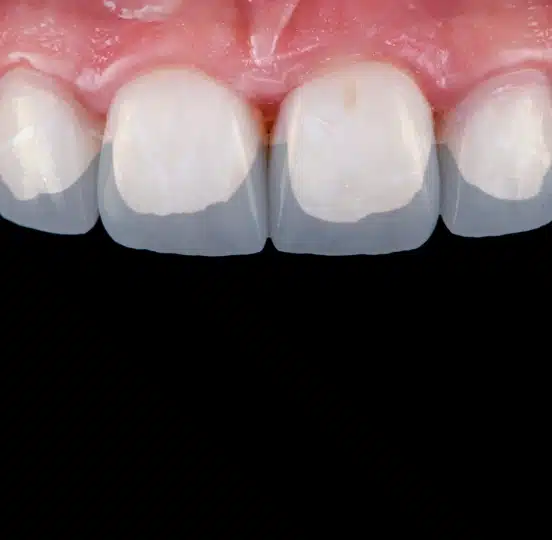
What is Dental Bonding?
Dental bonding is a cosmetic treatment that uses tooth-colored resin to improve the appearance of a tooth directly in a single appointment. The material is carefully sculpted by hand, then hardened and polished to blend naturally with the surrounding teeth.
Bonding uses the same composite resin material as tooth-colored fillings — but rather than filling a cavity, it is sculpted onto the exterior of the tooth to correct cosmetic imperfections. Because bonding usually requires little to no removal of healthy tooth structure, it’s considered one of the most conservative cosmetic treatments available today.
Book Your Consultation
What Can Bonding Fix?
Dental bonding is one of the most flexible tools in cosmetic dentistry. It can address a surprisingly wide range of aesthetic concerns, including:
- Chipped or cracked teeth
- Small gaps or spaces between teeth
- Teeth that are slightly shorter than surrounding teeth
- Irregularly shaped or uneven teeth
- Permanently stained or discolored teeth that do not respond to whitening
- Minor crookedness or misalignment that doesn't warrant orthodontics
- Exposed root surfaces that have become sensitive due to gum recession
- Worn tooth edges caused by grinding or acid erosion
For many patients, bonding delivers results at a fraction of the cost and in far less time.
How Long Does Bonding Last?
Longevity depends on factors like oral habits, bite forces, and the location of the bonded tooth. One advantage of bonding is that it’s relatively simple to repair or refresh if minor chipping or staining develops over time.
Avoid Staining Foods and Beverages.
Composite resin can stain more easily than natural enamel over time, especially with frequent exposure to coffee, tea, red wine, or tobacco.
Don't Bite Your Nails or Chew on Hard Objects.
Bonding is durable, but habits like nail biting or chewing on hard objects can increase the risk of chipping.
Wear a Night Guard if You Grind.
Bruxism places significant stress on bonded teeth and can shorten the lifespan of the restoration considerably. A custom night guard is one of the best ways to protect both your bonding and your natural teeth.
Keep Up With Regular Cleanings.
Professional cleanings help maintain the appearance of bonded teeth and allow us to monitor the condition of the restoration at every visit.
Natural-Looking Cosmetic Improvements Without Major Treatment
Dental bonding is one of the most rewarding cosmetic treatments we offer because the results can be immediate, natural-looking, and surprisingly impactful with minimal intervention. If there’s something small you’ve been wanting to improve about your smile, we’d love to help you explore whether bonding is the right fit.