3100 South Congress Ave, Ste F, Austin, TX 78704

What Are Dental Sealants?
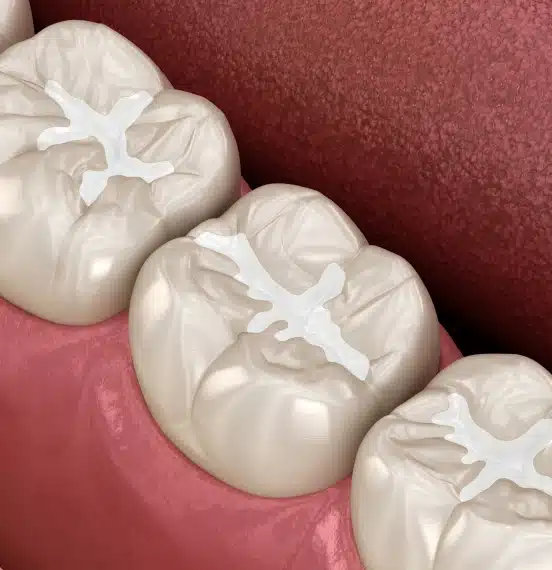
Dental sealants are a thin, protective coating applied to the chewing surfaces of the back teeth — the molars and premolars. These surfaces are some of the areas most susceptible to cavities because of their deep grooves and pits, which trap food particles and bacteria that that can be difficult to clean thoroughly with brushing alone.
Sealants act as a smooth barrier over these grooves, preventing plaque and debris from settling in and helping reduce the risk of decay in these areas. The procedure is quick, quick and typically very comfortable, and requires no drilling or removal of tooth structure.
Book Your Appointment
Who Should Get Sealants?
Dental sealants are most commonly associated with children — and for good reason. The earlier sealants are applied after permanent molars come in, the more effectively they can help protect the teeth during cavity-prone years. We typically recommend sealants for children between the ages of 6 and 14.
That said, sealants aren't exclusively a pediatric treatment. Adults who are cavity-prone or have deep grooves in their back teeth that have not yet developed decay may also benefit from sealants depending on their oral health needs. If you've had multiple fillings in your molars over the years, sealants may be a smart step toward helping reduce future cavity risk in those areas.
How Long Do Sealants Last?
Dental sealants can last anywhere from 5 to 10 years with proper care. We check the condition of your sealants at every routine exam and can reapply them if they show signs of chipping or wear. Sealants continue helping protect the tooth surface while the material remains intact and well bonded.
It's worth noting that sealants protect the chewing surfaces of the teeth — regular brushing, flossing, and dental visits remain essential for protecting all other surfaces.
Fast, Comfortable, and Done in One Visit
Getting dental sealants is one of the quickest and most straightforward procedures we offer. Here's what the process looks like:
Cleaning the Tooth
We start by thoroughly cleaning the teeth that will be sealed to remove any plaque or debris from the surface.
Preparing the Surface
A mild acidic solution is applied briefly to the chewing surface to create a slightly rough texture. This helps the sealant bond effectively to the tooth surface. The tooth is then rinsed and dried.
Applying the Sealant
The liquid sealant material is painted directly onto the tooth surface, flowing into all the grooves and pits. It is then hardened in seconds using a special curing light.
Final Check
We check your bite to make sure the sealant feels natural and make any small adjustments needed. That's it — you're done.
The TRU Approach to Prevention
At TRU Dentistry SoCo, we believe preventive care plays an important role in maintaining long-term oral health. Sealants are an important preventive tool that may help reduce cavity risk in appropriate patients — and recommending them when appropriate is part of our preventive approach to long-term oral health.
If we think sealants are a good fit for you or your child, we’ll tell you — and we’ll explain exactly why. If they’re not necessary, we’ll tell you that too. Our goal is to provide thoughtful recommendations tailored to each patient’s individual needs.
Preventive Protection for Healthier Smiles
Dental sealants are a simple preventive option that may help reduce cavity risk in cavity-prone areas — for kids and adults alike. If you're curious whether sealants are right for you or your child, we're happy to take a look and help determine whether sealants are appropriate for your needs.